


The Distinct Charms of Caiman Leather Highlights
Caiman leather stands out in the world of exotic leathers. It offers unique qualities that appeal to leather crafters, designers, and manufacturers. Its texture, durability, and appearance make it a valuable material for various products. Understanding its characteristics helps in making informed choices when selecting leather for high-end goods.
Understanding Caiman Leather Highlights
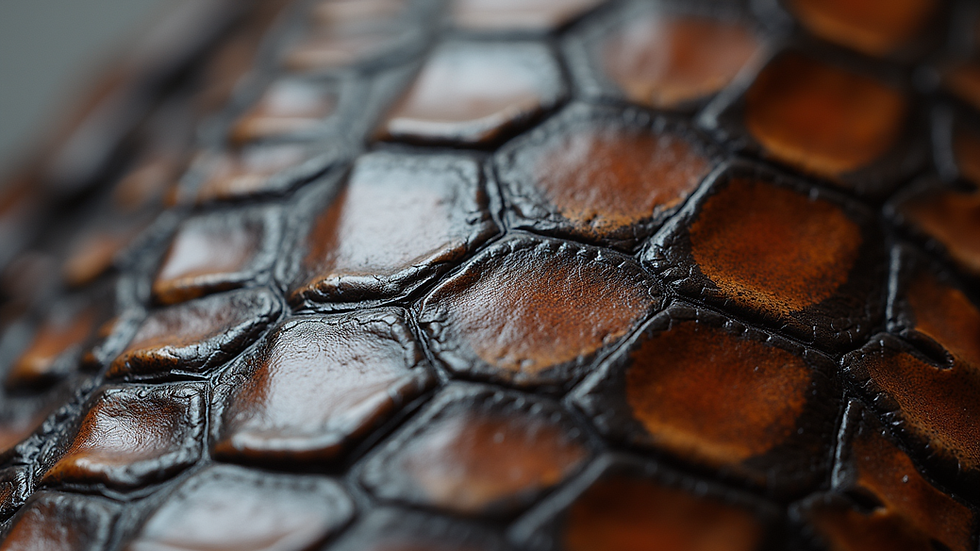
Caiman leather comes from the caiman, a reptile related to alligators and crocodiles. The skin is known for its distinctive scale pattern. These scales are smaller and more uniform compared to other exotic leathers. This feature gives caiman leather a refined and consistent look.
The tanning process for caiman leather is crucial. It enhances the leather’s natural toughness while maintaining flexibility. Proper tanning also improves the leather’s resistance to wear and tear. This makes it suitable for items that require both style and durability, such as wallets, belts, and watch straps.
The leather’s surface has a natural sheen. This sheen can be enhanced with finishing techniques to achieve a polished or matte look. The ability to customize the finish adds to the leather’s versatility in design.
Practical Uses and Benefits of Caiman Leather Highlights
Caiman leather is favored for its balance of strength and aesthetics. It is less expensive than crocodile leather but still offers a luxurious feel. This makes it a practical choice for manufacturers aiming to provide quality products at a competitive price.
The leather’s durability is a key benefit. It resists scratches and abrasions better than many other exotic leathers. This property extends the lifespan of products made from caiman leather. For designers, this means creating items that maintain their appearance over time.
Another advantage is the leather’s ability to take dye well. It accepts a wide range of colors, allowing for creative freedom in product design. Whether the goal is a classic black or a vibrant hue, caiman leather adapts effectively.
Maintenance of caiman leather is straightforward. Regular cleaning with a damp cloth and occasional conditioning keeps the leather supple. Avoiding excessive moisture and direct sunlight helps preserve its quality.

Is crocodile skin leather illegal?
The legality of crocodile skin leather, including caiman leather, depends on regulations set by international and local authorities. The Convention on International Trade in Endangered Species of Wild Fauna and Flora (CITES) governs the trade of crocodilian skins. Caiman species are listed under CITES, which means their trade is regulated to prevent overexploitation.
Legal caiman leather comes from farms or controlled wild populations. These sources comply with CITES permits and documentation. This ensures that the leather is harvested sustainably and legally. When sourcing caiman leather, it is essential to verify the supplier’s compliance with these regulations.
Illegal trade in crocodile and caiman skins can lead to severe penalties. It also harms conservation efforts. Responsible manufacturers and crafters should always demand proof of legality. This practice supports ethical sourcing and protects the industry’s reputation.
Technical Characteristics of Caiman Leather
Caiman leather has a unique grain structure. The scales are arranged in rows, with each scale having a slightly raised edge. This texture provides a tactile experience that is both firm and flexible. The leather’s thickness varies but generally falls between 1.0 to 1.5 millimeters after tanning.
The leather’s tensile strength is notable. It withstands stretching and bending without cracking. This makes it ideal for products that undergo frequent handling. The leather also has good resistance to moisture, though it is not fully waterproof.
Caiman leather’s natural oils contribute to its softness. These oils help maintain the leather’s suppleness over time. However, exposure to harsh chemicals or prolonged sunlight can degrade these oils. Proper care routines are necessary to preserve the leather’s integrity.
Tips for Working with Caiman Leather
Working with caiman leather requires specific techniques. The leather’s scale pattern means cutting must be precise to avoid damaging the scales. Using sharp tools and cutting along the grain helps maintain the leather’s appearance.
Sewing caiman leather demands strong needles and durable thread. The leather’s thickness can challenge standard sewing equipment. Reinforcing stress points with additional stitching or rivets improves product longevity.
When finishing products, consider the leather’s natural sheen. Applying wax or polish enhances the surface without obscuring the scale pattern. Avoid heavy coatings that can fill the scales and reduce the leather’s distinctive texture.
For designers, combining caiman leather with other materials can create interesting contrasts. Pairing it with smooth leather or fabric highlights the exotic texture. This approach adds depth and sophistication to the final product.
Final Thoughts on Caiman Leather Highlights
Caiman leather offers a unique combination of durability, texture, and aesthetic appeal. Its regulated sourcing ensures ethical use, making it a responsible choice for manufacturers. The leather’s technical properties support a wide range of applications, from fashion accessories to luxury goods.
By understanding the characteristics and care requirements of caiman leather, crafters and designers can maximize its potential. This knowledge leads to better product quality and customer satisfaction. As the market for exotic leathers grows, caiman leather remains a reliable and attractive option.
Choosing caiman leather means investing in a material that balances tradition with modern demands. It supports craftsmanship while meeting the expectations of today’s discerning consumers.


Comments