


The Rich World of Exotic Leathers: Types of Exotic Leathers
Exotic leathers offer unique textures, patterns, and durability that set them apart from traditional cowhide. These materials are prized in the leather crafting industry for their distinct appearance and performance. Understanding the different types of exotic leathers is essential for designers and manufacturers who want to create standout products. This post explores the most common exotic leathers, their characteristics, and practical uses.
Types of Exotic Leathers
Exotic leathers come from a variety of animals, each providing a unique grain and finish. Here are some of the most popular types:
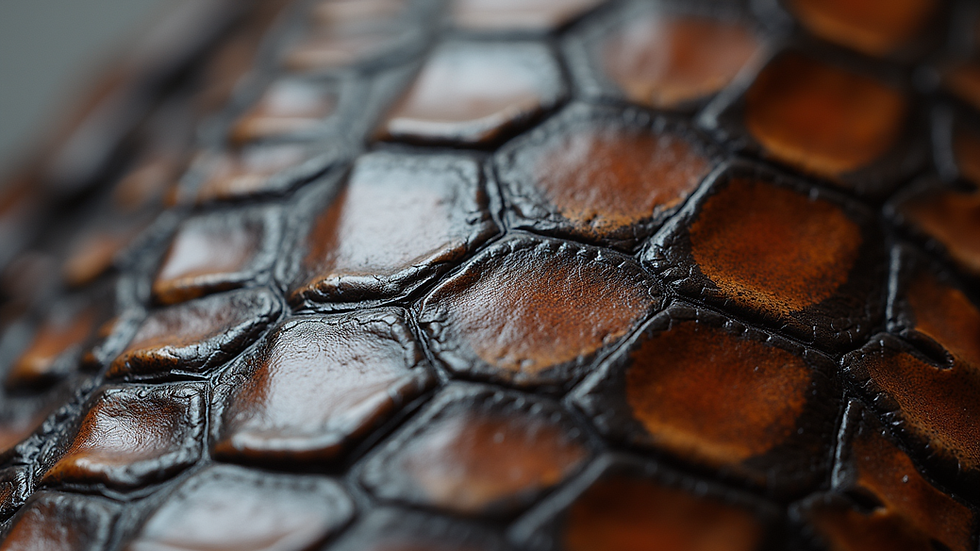
Alligator and Crocodile Leather: Known for their distinctive scale patterns, these leathers are durable and luxurious. Alligator leather tends to have a more uniform scale size, while crocodile leather features irregular scales.
Ostrich Leather: Recognizable by its quill follicle pattern, ostrich leather is soft yet strong. It is often used in high-end handbags and wallets.
Python Leather: Python skin has a striking scale pattern that varies in size and shape. It is flexible and lightweight, making it suitable for fashion accessories.
Lizard Leather: Smaller scales and a smooth texture characterize lizard leather. It is often used for watch straps and small leather goods.
Stingray Leather: Stingray leather has a unique pebbled texture with a natural sheen. It is highly durable and resistant to water and abrasion.
Each type of exotic leather requires specific tanning and finishing processes to enhance its natural qualities and ensure longevity.

Close-up view of alligator leather showing scale texture
Characteristics and Uses of Exotic Leathers
Exotic leathers differ not only in appearance but also in their physical properties. Here is a breakdown of key characteristics and typical applications:
Durability: Alligator and stingray leathers are among the most durable, suitable for products that require long-lasting wear.
Flexibility: Python and lizard leathers offer flexibility, making them ideal for items that need to bend or fold.
Texture: Ostrich leather’s raised quill follicles provide a unique tactile experience, often used in luxury fashion.
Water Resistance: Stingray leather naturally resists water, making it practical for wallets and belts.
Weight: Python leather is lightweight compared to other exotic skins, which benefits designers aiming for less bulky products.
Manufacturers should consider these factors when selecting exotic leather for specific product lines. For example, a handbag designed for everyday use might benefit from the durability of alligator leather, while a watch strap could leverage the flexibility of lizard leather.
Sourcing and Ethical Considerations
Sourcing exotic leathers involves navigating regulations and ethical concerns. Many countries regulate the trade of exotic skins to protect endangered species. The Convention on International Trade in Endangered Species of Wild Fauna and Flora (CITES) governs the legal trade of many exotic leathers.
When sourcing, it is important to:
Verify that suppliers comply with CITES and local laws.
Ensure that the animals are farmed or harvested sustainably.
Request documentation proving the origin and legality of the leather.
Ethical sourcing not only protects wildlife but also enhances brand reputation. Transparency in the supply chain is increasingly important to consumers and business partners.
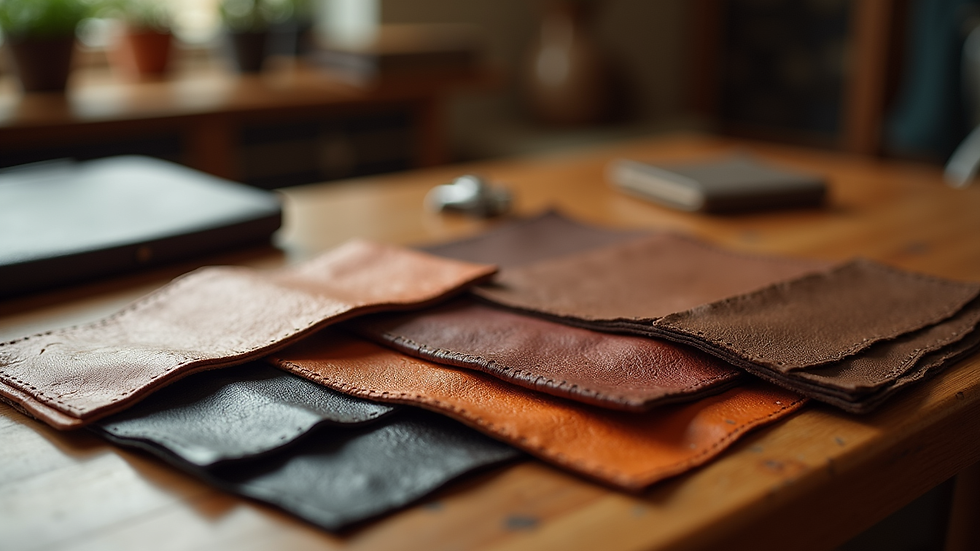
Eye-level view of exotic leather samples arranged on a table
Care and Maintenance of Exotic Leathers
Proper care extends the life of exotic leather products. Each type requires specific maintenance:
Cleaning: Use a soft, damp cloth to remove dirt. Avoid harsh chemicals that can damage the leather.
Conditioning: Apply a leather conditioner designed for exotic skins to maintain suppleness and prevent drying.
Storage: Store items in a cool, dry place away from direct sunlight to prevent fading and cracking.
Handling: Avoid excessive bending or folding, especially with stiffer leathers like alligator.
Regular maintenance preserves the leather’s appearance and structural integrity. For manufacturers, providing care instructions with products adds value and supports customer satisfaction.
Trends and Innovations in Exotic Leather Use
The market for exotic leathers continues to evolve. Innovations in tanning and finishing techniques improve the quality and sustainability of these materials. Some current trends include:
Eco-friendly tanning: Using vegetable-based tanning agents reduces environmental impact.
Custom finishes: Techniques like embossing and dyeing create new textures and colors.
Hybrid products: Combining exotic leather with other materials for enhanced functionality.
Digital tracking: Implementing blockchain for supply chain transparency.
Staying informed about these trends helps manufacturers and designers remain competitive and meet customer expectations.
Expanding Reach with Quality Exotic Leathers
For businesses aiming to grow in the US market, offering a diverse range of high-quality exotic leathers is key. Reliable sourcing, consistent quality, and clear product information build trust with customers. Leveraging the unique properties of exotic leathers can differentiate products in a crowded marketplace.
Exotic Leathers By Ray aims to be the leading distributor of high-quality exotic leathers in the US, focusing on expanding its reach to more customers while maintaining its reputation for excellent products and value. By understanding the types of exotic leathers and their applications, manufacturers can make informed choices that enhance their product lines.
This overview provides a practical guide to the rich world of exotic leathers. Whether selecting materials for a new collection or refining existing products, knowledge of exotic leather types and care is essential for success.



Comments