


Comparing Exotic Leathers: Pricing and Value Comparison
Exotic leathers offer unique textures and durability that standard leathers cannot match. As a leather crafter or designer, understanding the differences in quality and value among exotic leathers is essential. This knowledge helps in selecting the right material for your projects and ensures you provide the best products to your customers. In this post, I will compare popular exotic leathers, focusing on their quality, pricing, and overall value.
Understanding Exotic Leathers
Exotic leathers come from non-traditional animals such as alligators, snakes, ostriches, and stingrays. Each type has distinct characteristics that affect its appearance, durability, and price. These leathers are prized for their rarity and unique patterns, making them highly sought after in luxury goods.
Alligator and Crocodile: Known for their large, symmetrical scales and toughness.
Ostrich: Recognized by its quill bumps and softness.
Python: Features distinctive scale patterns and flexibility.
Stingray: Noted for its pebbled texture and extreme durability.
Each leather type requires specific tanning and finishing processes to enhance its natural qualities. These processes impact the final cost and usability of the leather.
Pricing and Value Comparison of Exotic Leathers
Pricing varies widely among exotic leathers due to factors like rarity, tanning complexity, and demand. Here is a breakdown of common exotic leathers and their price ranges per square foot in the US market:
| Leather Type | Price Range (USD/sq ft) | Key Value Points |
|--------------|------------------------|------------------|
| Alligator | $50 - $150 | High durability, luxury appeal |
| Crocodile | $40 - $120 | Similar to alligator, slightly less expensive |
| Ostrich | $30 - $70 | Soft, flexible, unique texture |
| Python | $20 - $60 | Flexible, distinctive pattern |
| Stingray | $25 - $80 | Extremely durable, unique texture |
The price reflects not only the raw material but also the tanning and finishing quality. For example, alligator leather is more expensive due to its rarity and the labor-intensive process required to prepare it.

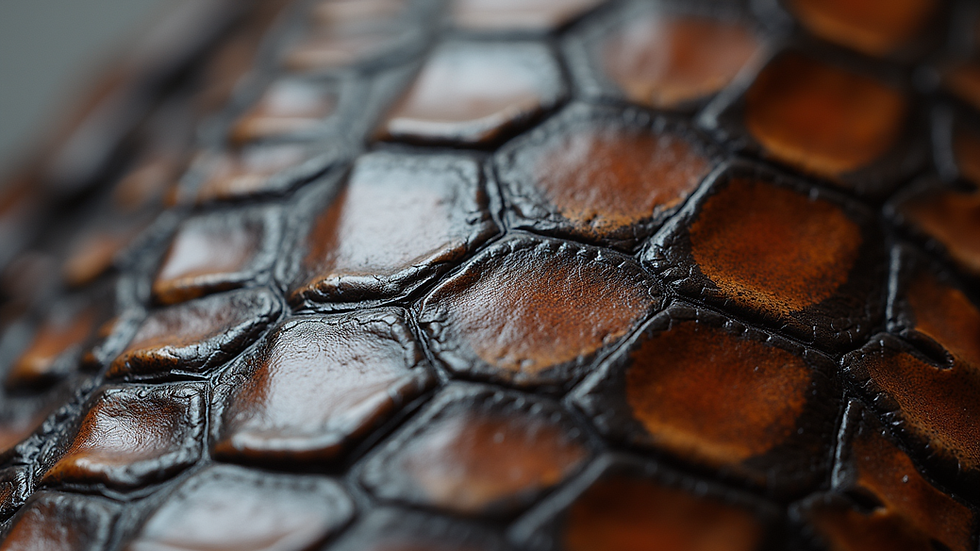
Close-up view of alligator leather showing its distinctive scale pattern
When considering value, it is important to balance cost with durability and aesthetic appeal. For instance, stingray leather offers excellent durability at a moderate price, making it a good value for products that require long-lasting materials.
Quality Factors to Consider
Quality in exotic leathers depends on several factors:
Source and Grade: Leathers from reputable farms or suppliers tend to have fewer defects and more consistent quality.
Tanning Process: Vegetable tanning preserves natural characteristics, while chrome tanning offers flexibility and water resistance.
Finish: A good finish enhances appearance and protects the leather without compromising texture.
Thickness and Flexibility: Depending on the product, you may need thicker or more flexible leather.
For example, alligator leather graded as "AA" or "AAA" indicates higher quality with fewer scars and more uniform scales. Similarly, python leather with intact scales and minimal damage is preferred for high-end products.
Practical Recommendations for Selecting Exotic Leathers
When choosing exotic leather for your projects, consider the following:
Project Type: Use thicker, more durable leathers like alligator or stingray for items exposed to wear, such as belts or wallets.
Aesthetic Needs: Ostrich leather works well for soft, flexible products like handbags.
Budget Constraints: Python leather offers a balance between cost and exotic appeal.
Supplier Reliability: Always source from trusted distributors to ensure authenticity and quality.
I recommend ordering samples before committing to large quantities. This allows you to assess texture, color, and flexibility firsthand.
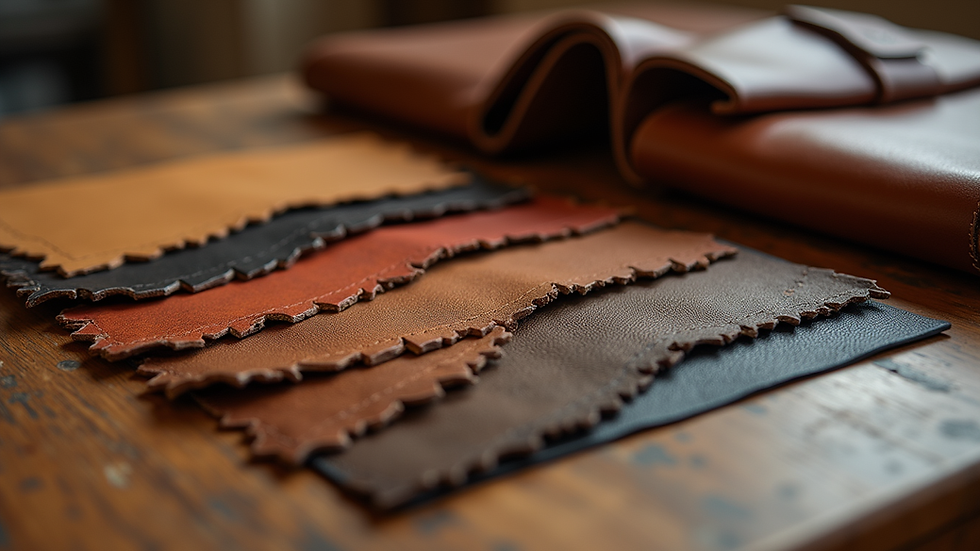
Eye-level view of various exotic leather samples laid out for comparison
Maintenance and Longevity of Exotic Leathers
Proper care extends the life of exotic leather products. Each type requires specific maintenance:
Alligator and Crocodile: Clean with a damp cloth and condition with specialized leather oils.
Ostrich: Avoid excessive moisture; use soft brushes to clean quill bumps.
Python: Keep away from direct sunlight to prevent scale lifting.
Stingray: Highly resistant to scratches; clean with mild soap and water.
Regular maintenance preserves the leather’s appearance and prevents cracking or fading. This is crucial for maintaining the value of high-end products.
Final Thoughts on Exotic Leather Selection
Choosing the right exotic leather involves balancing quality, price, and intended use. Understanding the characteristics and market pricing helps in making informed decisions. By focusing on reputable sources and proper care, you can maximize the value of your leather goods.
For those interested in expanding their exotic leather options, Exotic Leathers By Ray offers a wide selection of high-quality materials. Their commitment to quality and value makes them a reliable partner in the US market.
This knowledge equips you to select the best exotic leather for your designs and manufacturing needs, ensuring your products stand out in quality and durability.



Comments