


Discover the Allure of Trending Exotic Leather Styles
Exotic leather has a unique appeal in the fashion industry. It offers texture, durability, and a distinct look that sets products apart. As a leather crafter or designer, understanding the trends and qualities of exotic leather can enhance your work. This post explores trending exotic leather styles, what defines exotic leather, and practical tips for working with these materials.
Trending Exotic Leather Styles in 2024
The market for exotic leather is evolving. Certain styles gain popularity due to their texture, color, and versatility. Here are some of the trending exotic leather styles this year:
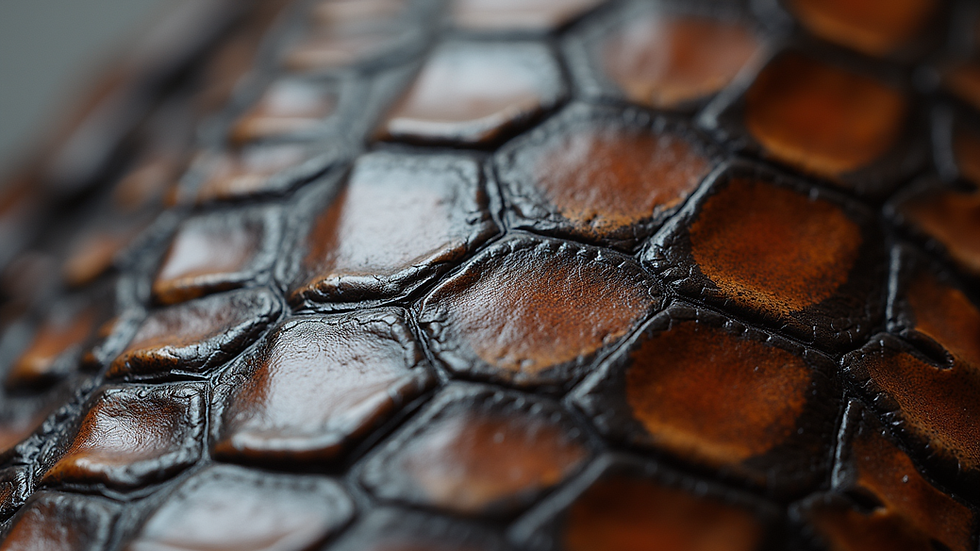
Crocodile and Alligator Leather: These remain top choices for luxury items. Their distinctive scale patterns and durability make them ideal for handbags, belts, and shoes.
Python Leather: Known for its unique scale texture, python leather is popular in both fashion and accessories. It offers flexibility and a bold look.
Ostrich Leather: Recognizable by its quill bumps, ostrich leather is soft yet strong. It is often used in wallets, boots, and jackets.
Lizard Leather: Smaller scales and a smooth finish characterize lizard leather. It is favored for smaller accessories like watch straps and wallets.
Stingray Leather: This leather has a pebbled texture and is highly durable. It is often used in wallets and belts for a distinctive finish.
These styles are trending because they combine aesthetics with functionality. They offer designers a range of textures and finishes to work with, allowing for creative freedom.

What is Considered Exotic Leather?
Exotic leather refers to hides sourced from non-traditional animals. Unlike cowhide or sheepskin, exotic leathers come from reptiles, birds, and other unique species. The main characteristics that define exotic leather include:
Source Animal: Common exotic leathers come from crocodiles, alligators, snakes, ostriches, lizards, and stingrays.
Texture and Pattern: Exotic leathers have distinctive scale patterns or textures that are not found in standard leathers.
Durability: Many exotic leathers are tougher and more resistant to wear than traditional leather.
Rarity and Cost: Exotic leathers are less common and often more expensive due to the sourcing and processing involved.
Understanding these factors helps in selecting the right leather for specific products. It also informs pricing and marketing strategies.
Practical Tips for Working with Exotic Leather
Working with exotic leather requires specific skills and tools. Here are some practical recommendations:
Use Sharp Tools: Exotic leather can be tough. Use sharp knives and scissors to avoid damaging the material.
Avoid Excessive Heat: Heat can dry out and crack exotic leather. Use low heat settings when pressing or shaping.
Condition Regularly: Exotic leather needs conditioning to maintain flexibility and appearance. Use products designed for exotic hides.
Plan Your Cuts: The pattern on exotic leather is unique. Plan cuts to maximize the use of the pattern and avoid waste.
Test Adhesives: Some adhesives may not bond well with exotic leather. Test before full application.
Store Properly: Keep exotic leather in a cool, dry place away from direct sunlight to prevent fading and drying.
These tips help maintain the quality and longevity of exotic leather products.
Benefits of Using Exotic Leather in Design
Exotic leather offers several advantages for designers and manufacturers:
Unique Aesthetic: The natural patterns and textures provide a look that stands out.
Durability: Many exotic leathers are more resistant to wear and tear.
Prestige: Products made from exotic leather often carry a luxury appeal.
Versatility: Exotic leather can be used in a variety of products, from fashion to upholstery.
Value Addition: Using exotic leather can increase the perceived value of a product.
These benefits make exotic leather a valuable material in the fashion and accessory industries.

Expanding Reach with Quality Exotic Leather
To grow in the exotic leather market, focus on quality and customer education. High-quality exotic leather attracts discerning customers who value craftsmanship. Providing detailed information about the leather type, care instructions, and sourcing builds trust.
Source Responsibly: Ensure your exotic leather comes from ethical and legal sources.
Offer Variety: Stock a range of exotic leathers to meet different design needs.
Educate Customers: Share knowledge about exotic leather benefits and care.
Maintain Consistency: Quality control is essential to keep your reputation strong.
By focusing on these areas, businesses can expand their reach and maintain a strong position in the market.
For those interested in exploring more about exotic leather fashion, this approach supports both creativity and business growth.
This overview provides a clear understanding of trending exotic leather styles and practical advice for working with these materials. Applying this knowledge can enhance product quality and market appeal.



Comments