


Discovering the Charm of Caiman Leather Features
Caiman leather stands out in the world of exotic leathers. It offers unique qualities that appeal to leather crafters, designers, and manufacturers. This material combines durability with a distinctive look. Understanding its features helps in making informed decisions when selecting leather for projects.
Understanding Caiman Leather Features
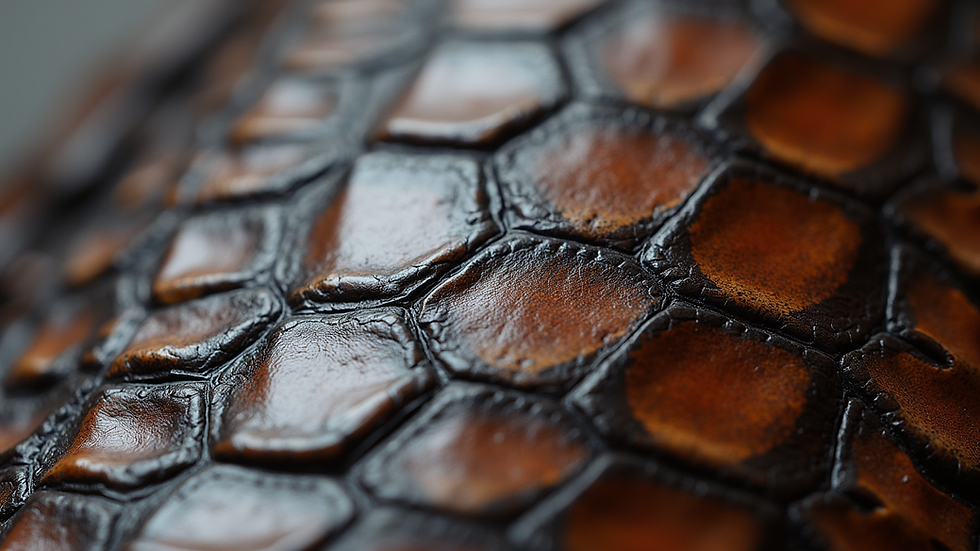
Caiman leather comes from the caiman, a reptile related to alligators and crocodiles. The skin is known for its tough texture and distinctive scale patterns. These scales are smaller and more uniform compared to other exotic leathers. This makes caiman leather easier to work with for detailed designs.
The leather has a natural sheen and a firm feel. It is less flexible than some other exotic leathers but offers excellent resistance to wear and tear. This makes it suitable for products that require longevity, such as wallets, belts, and watch straps.
Key features include:
Durability: Resistant to scratches and abrasions.
Texture: Smooth with a patterned scale surface.
Color: Naturally varies from light tan to dark brown.
Finish: Can be polished or matte depending on treatment.
These characteristics make caiman leather a practical choice for high-end leather goods.

Processing and Crafting with Caiman Leather
Working with caiman leather requires specific techniques. The skin is thicker than cowhide but thinner than some other exotic leathers. This affects cutting, stitching, and finishing processes.
When cutting, sharp tools are necessary to avoid damaging the scales. Stitching should be done with strong, durable thread to maintain product integrity. The leather responds well to edge finishing techniques like burnishing and sealing.
Dyeing caiman leather can enhance its natural colors. However, it is important to use dyes compatible with reptile skins to avoid cracking or peeling. Conditioning the leather regularly helps maintain its suppleness and appearance.
For designers, caiman leather offers versatility. It can be used in both structured and flexible designs. Its unique texture adds visual interest without overwhelming the overall look.
Is crocodile skin leather illegal?
Crocodile skin leather is subject to strict regulations due to conservation efforts. Many species of crocodiles and caimans are protected under international agreements like CITES (Convention on International Trade in Endangered Species of Wild Fauna and Flora).
Legal trade of crocodile and caiman leather requires proper documentation and permits. These ensure that the skins come from sustainable sources and do not contribute to illegal poaching.
When sourcing caiman leather, it is crucial to verify the supplier’s compliance with these regulations. Purchasing from reputable distributors guarantees that the leather is legally obtained and ethically sourced.
This legal framework helps protect wild populations while allowing the leather industry to operate responsibly.

Practical Applications of Caiman Leather
Caiman leather is favored for a variety of products. Its durability and distinctive look make it ideal for items that benefit from both strength and style.
Common uses include:
Wallets and Small Accessories - The leather’s toughness protects against daily wear.
Belts - Its firmness holds shape well over time.
Watch Straps - The texture adds a luxury feel.
Footwear - Used in high-end shoes and boots for durability.
Handbags and Briefcases - Offers a unique appearance and long-lasting quality.
Manufacturers appreciate caiman leather for its balance of workability and resilience. It holds dyes well and accepts various finishes, allowing for customization.
For leather crafters, understanding the material’s properties helps in selecting the right tools and techniques. This knowledge improves product quality and customer satisfaction.
Maintaining and Caring for Caiman Leather
Proper care extends the life of caiman leather products. The leather’s natural oils can dry out over time, leading to stiffness or cracking.
Recommended care steps:
Cleaning: Use a soft, damp cloth to remove dirt. Avoid harsh chemicals.
Conditioning: Apply a reptile leather conditioner periodically to maintain moisture.
Storage: Keep products in a cool, dry place away from direct sunlight.
Protection: Avoid exposure to excessive water or heat.
Regular maintenance preserves the leather’s texture and color. It also prevents damage that could compromise the product’s durability.
By following these guidelines, leather crafters and manufacturers can ensure their caiman leather goods remain in excellent condition.
Exploring the qualities of caiman leather reveals why it remains a popular choice in the exotic leather market. Its unique texture, durability, and versatility make it suitable for a wide range of applications. Proper sourcing and care further enhance its value, supporting the creation of high-quality leather products.




Comments