


Current Fashion Developments in Leather and Design
Updated: Jun 1
Leather remains a staple in fashion. However, the way it is sourced, processed, and used is changing. Sustainability is a major focus. Brands and consumers demand eco-friendly materials and ethical production. This pushes manufacturers to adopt new methods.
For example, vegetable-tanned leather is gaining popularity. It uses natural tannins from plants instead of chemicals. This process reduces environmental impact and produces durable, high-quality leather. Another development is the rise of exotic leathers like ostrich, alligator, and python. These materials offer unique textures and appeal to luxury markets.
Design trends also influence leather use. Minimalist styles with clean lines are in demand. This means simpler cuts and less embellishment. On the other hand, bold textures and patterns are used selectively to create statement pieces.
To stay ahead, consider these actions:
Source sustainable and certified leathers.
Experiment with exotic leather types for unique products.
Focus on clean, functional designs with occasional bold accents.

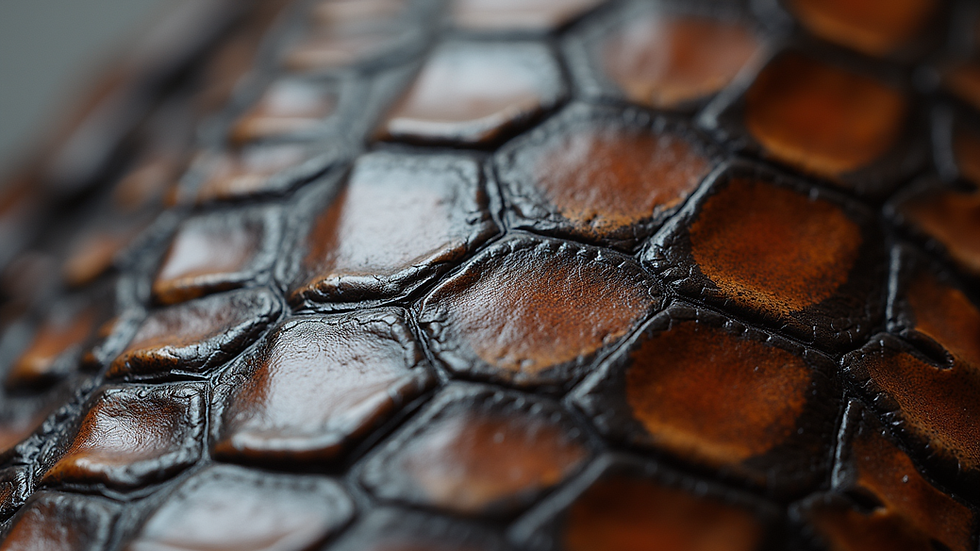
Vegetable-tanned leather showing natural texture and color
How Current Fashion Developments Affect Production and Marketing
The shift in fashion trends impacts production processes. Manufacturers must adapt to new materials and consumer expectations. For example, sustainable leather requires different handling and storage. It may also need certifications to prove its origin and eco-friendliness.
Marketing strategies also evolve. Transparency about sourcing and production becomes a selling point. Customers want to know where their leather comes from and how it was made. This means brands should highlight these aspects in their messaging.
Digital platforms play a bigger role in reaching customers. Social media and e-commerce allow direct communication and sales. Visual content showcasing the quality and uniqueness of leather products is essential.
Practical steps to align with these developments include:
Train staff on handling new leather types.
Obtain sustainability certifications.
Develop clear marketing messages about product origin.
Use high-quality images and videos online.

Leather workshop showing tools and materials used in production
What is the 3-3-3 Rule in Fashion?
The 3-3-3 rule is a guideline for creating balanced outfits. It suggests using three colors, three textures, and three accessories in a look. This rule helps designers and crafters create visually appealing and cohesive products.
In leather fashion, this means combining different leather textures with complementary colors and minimal accessories. For example, a handbag might use smooth leather with a small section of embossed leather. The color palette stays within three shades, and hardware is limited to three pieces.
Applying the 3-3-3 rule can improve product design by:
Ensuring balance and harmony in materials.
Avoiding overcomplication in style.
Enhancing the overall aesthetic appeal.
This rule is practical for designers working with exotic leathers. It helps highlight the material’s unique qualities without overwhelming the design.
The Role of Technology in Fashion Industry Advancements
Technology drives many current fashion developments. From design software to production automation, it improves efficiency and creativity. For leather crafters, digital tools allow precise pattern making and cutting. This reduces waste and speeds up production.
3D printing and laser engraving are also emerging. They enable intricate designs on leather surfaces that were difficult to achieve manually. These technologies open new possibilities for customization and innovation.
Supply chain management benefits from technology too. Tracking systems ensure transparency and traceability of leather materials. This supports sustainability claims and quality control.
To leverage technology:
Invest in design and production software.
Explore laser engraving for unique textures.
Use digital tracking for supply chain transparency.

Laser engraving machine creating detailed patterns on leather
Strategies to Incorporate Latest Fashion Trends in Your Leather Products
Incorporating the latest fashion trends requires a strategic approach. Start by researching market demands and competitor offerings. Identify gaps where your products can stand out.
Focus on quality and authenticity. Exotic leathers have a natural appeal but require expert craftsmanship. Highlight the uniqueness of your materials in product descriptions and visuals.
Consider limited editions or collaborations to create buzz. Use social media to showcase behind-the-scenes processes and finished products. Engage with customers to gather feedback and adapt designs.
Practical recommendations:
Source high-quality exotic leathers.
Use minimalist designs with selective bold elements.
Promote sustainability and ethical sourcing.
Utilize digital marketing and storytelling.
Experiment with new technologies for customization.
By following these strategies, you can align your products with current fashion developments and meet customer expectations.
Preparing for Future Changes in the Fashion Industry
The fashion industry will continue to evolve. Staying informed about emerging trends and technologies is essential. Sustainability will remain a priority, with innovations in bio-based and recycled materials.
Consumer preferences may shift towards more personalized and functional products. Digital integration, such as augmented reality for virtual try-ons, will grow.
To prepare:
Monitor industry reports and trend forecasts.
Invest in research and development.
Build flexible production systems.
Foster partnerships with material suppliers and tech providers.
Adapting proactively ensures your business remains competitive and relevant.
Conclusion
Understanding and applying these current fashion developments helps you create products that meet market needs. Focus on sustainability, quality, and innovation. Use technology and strategic marketing to showcase your leather goods effectively. This approach supports growth and strengthens your position in the fashion industry.
By staying informed and adaptable, I can ensure that my leather products not only meet current trends but also set the stage for future success.



Comments