


Mastering Techniques in Exotic Leather Crafting
Working with exotic leather requires precision, skill, and knowledge. These materials differ significantly from standard cowhide or sheep leather. They demand special handling and techniques to maintain their unique qualities. I will share practical methods to help you master exotic leather crafting techniques.
Understanding Exotic Leather Crafting Techniques
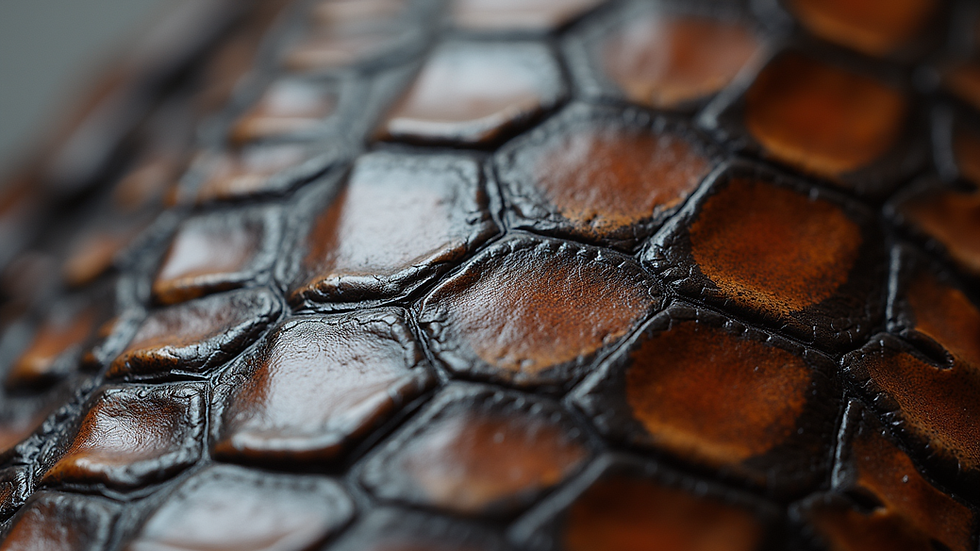
Exotic leathers come from animals like alligators, snakes, ostriches, and stingrays. Each type has distinct textures and properties. For example, alligator leather has a firm, patterned surface, while ostrich leather is softer with characteristic quill bumps.
When working with these materials, it is essential to:
Select the right tools: Use sharp knives, specialized needles, and strong threads.
Prepare the leather properly: Clean and condition the leather before cutting.
Cut carefully: Exotic leather can be thick or fragile in spots. Use a sharp blade and steady hand.
Use appropriate adhesives and finishes: Some exotic leathers react differently to glues and dyes.
These steps ensure the leather retains its natural beauty and durability.

Essential Leather Crafting Techniques for Exotic Materials
The crafting process involves several key techniques. Mastering these will improve your results and reduce waste.
Cutting and Pattern Making
Cutting exotic leather requires precision. Patterns should be laid out to maximize the use of the hide. Avoid cutting over scars or weak spots. Use a rotary cutter or a very sharp utility knife. Always cut on a self-healing mat to protect your tools.
Stitching and Sewing
Hand stitching is preferred for exotic leather. Use a saddle stitch with waxed thread for strength. Machine stitching is possible but requires a heavy-duty machine and special needles. Maintain consistent tension to avoid puckering.
Edge Finishing
Edges on exotic leather need careful finishing. Use edge bevelers to round corners. Burnish edges with a slicker and gum tragacanth or beeswax. This seals the edges and prevents fraying.
Dyeing and Conditioning
Some exotic leathers accept dyes differently. Test dyes on scrap pieces first. Use conditioners designed for exotic skins to keep the leather supple. Avoid over-saturating, which can damage the surface.
Tools and Materials for Exotic Leather Crafting
Having the right tools is critical. Here is a list of essentials:
Cutting tools: Rotary cutters, sharp knives, and scissors.
Stitching supplies: Waxed thread, needles (size 0 or 1), stitching awls.
Edge tools: Edge bevelers, slickers, burnishing compounds.
Adhesives: Contact cement or leather glue suitable for exotic skins.
Finishing products: Leather dyes, conditioners, and sealants.
Investing in quality tools improves precision and efficiency.

Handling Challenges in Exotic Leather Crafting
Exotic leather presents unique challenges. Here are common issues and solutions:
Thickness variation: Some hides have uneven thickness. Use a skiving tool to thin edges for easier stitching.
Fragile areas: Avoid stress on thin or delicate spots. Reinforce with backing materials if needed.
Pattern alignment: Align scales or patterns carefully for aesthetic consistency.
Cost considerations: Exotic leather is expensive. Plan cuts to minimize waste.
By anticipating these challenges, you can maintain quality and reduce errors.
Practical Tips for Working with Exotic Leather
Here are actionable recommendations to improve your crafting process:
Work in a clean, well-lit space to see details clearly.
Use a cutting mat to protect tools and surfaces.
Test all products on scraps before applying to the final piece.
Keep tools sharp to avoid tearing the leather.
Store leather properly in a cool, dry place to prevent damage.
Practice stitching on scraps to perfect tension and technique.
Document your process to replicate successful methods.
These tips help maintain consistency and quality in your work.
Expanding Your Exotic Leather Crafting Skills
Continuous learning is key. Attend workshops, watch tutorials, and connect with other professionals. Experiment with different exotic leathers to understand their properties. This hands-on experience builds confidence and expertise.
For sourcing high-quality exotic leathers, consider trusted distributors who specialize in these materials. Reliable suppliers ensure you receive hides that meet your standards.
Mastering these leather crafting techniques positions you to create durable, attractive products that stand out in the market.



Comments