


The Rich World of Exotic Leathers: Types of Exotic Leathers

Exotic leathers offer unique textures, patterns, and durability that set them apart from traditional cowhide. They provide designers and manufacturers with a broad palette of materials to create distinctive products. Understanding the types of exotic leathers and their characteristics is essential for anyone working in leather crafting or manufacturing. This knowledge helps in selecting the right leather for specific applications and ensures quality results.
Types of Exotic Leathers
Exotic leathers come from a variety of animals, each with distinct features. Here are some of the most common types:
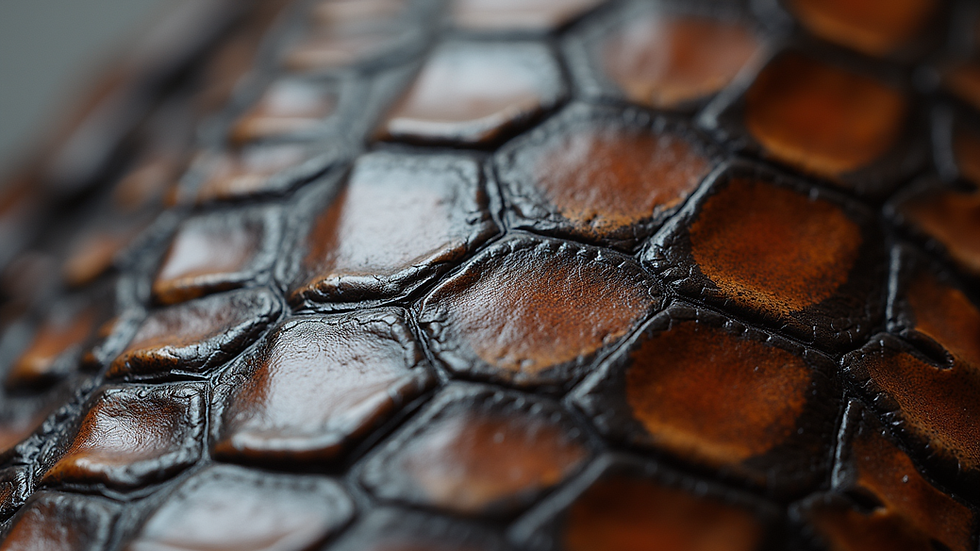
Alligator and Crocodile Leather: Known for their distinctive scale patterns, these leathers are durable and luxurious. Alligator leather tends to have a more uniform scale size, while crocodile leather shows more variation.
Ostrich Leather: Recognizable by its quill bumps, ostrich leather is soft, flexible, and strong. It is often used in high-end fashion and accessories.
Python Leather: Python skin features a unique scale pattern that varies in size and shape. It is flexible but requires careful handling due to its delicate scales.
Lizard Leather: Smaller scales and a smooth texture characterize lizard leather. It is thinner and often used for smaller items like wallets and watch straps.
Stingray Leather: Known for its pebbled texture and natural shine, stingray leather is extremely durable and water-resistant.
Each type of exotic leather has specific tanning and finishing processes to enhance its natural qualities. Selecting the right leather depends on the product’s intended use and desired aesthetic.

Close-up view of alligator leather showing detailed scale pattern
Characteristics and Uses of Exotic Leathers
Exotic leathers differ in texture, durability, and appearance. These differences influence their applications:
Durability: Alligator and crocodile leathers are among the most durable, suitable for items that require longevity, such as belts and handbags.
Flexibility: Ostrich and python leathers offer flexibility, making them ideal for garments and accessories that need to conform to shapes.
Texture: Stingray leather’s unique texture is often used for decorative purposes or accents on products.
Weight: Lizard leather is lightweight, making it suitable for small, delicate items.
Understanding these characteristics helps in making informed decisions about material selection. For example, a designer might choose ostrich leather for a soft, luxurious handbag but opt for stingray leather for a wallet that needs to resist wear and moisture.
Sourcing and Sustainability Considerations
Sourcing exotic leathers requires attention to legal and ethical standards. Many exotic animals are protected under international regulations such as CITES (Convention on International Trade in Endangered Species). Compliance with these regulations ensures that the leather is obtained legally and sustainably.
Traceability: Reliable suppliers provide documentation verifying the origin of the leather.
Sustainable Practices: Some suppliers engage in sustainable farming or harvesting practices to minimize environmental impact.
Quality Control: High-quality exotic leathers come from reputable sources that maintain strict quality standards.
When sourcing exotic leathers, it is important to verify that the materials meet all legal requirements and ethical standards. This protects the business and supports responsible industry practices.

Eye-level view of exotic leather samples arranged on a table
Processing and Working with Exotic Leathers
Working with exotic leathers requires specific techniques and tools. Their unique textures and thicknesses can present challenges:
Cutting: Use sharp blades to avoid damaging delicate scales or textures.
Stitching: Thicker exotic leathers may require heavy-duty needles and strong thread.
Finishing: Some exotic leathers benefit from specialized finishes to enhance durability or appearance.
Conditioning: Regular conditioning helps maintain flexibility and prevents drying or cracking.
For leather crafters and manufacturers, understanding these processing requirements is crucial. Proper handling preserves the leather’s natural beauty and extends the life of the finished product.
Market Trends and Opportunities
The demand for exotic leathers continues to grow in luxury markets. Consumers seek unique, high-quality materials for fashion, accessories, and home décor. This trend creates opportunities for suppliers and manufacturers to expand their offerings.
Customization: Offering custom cuts and finishes can attract clients looking for exclusive products.
Innovation: Combining exotic leathers with other materials can create new product lines.
Education: Providing information about the origin and care of exotic leathers builds customer trust.
Exotic Leathers By Ray aims to be the leading distributor of high-quality exotic leathers in the US, focusing on expanding its reach to more customers while maintaining its reputation for excellent products and value. Staying informed about market trends helps businesses adapt and grow.
Enhancing Your Craft with Exotic Leathers
Incorporating exotic leathers into your designs can elevate your products. Here are some practical tips:
Start Small: Use exotic leather for accents or small components before committing to large pieces.
Test Materials: Experiment with different types to understand their properties.
Invest in Tools: Equip your workshop with tools suited for exotic leather handling.
Educate Customers: Share care instructions to ensure product longevity.
Build Relationships: Work with trusted suppliers to ensure consistent quality.
By applying these strategies, you can maximize the benefits of exotic leathers in your work and meet the expectations of discerning customers.
This overview of the rich world of exotic leathers provides a foundation for making informed choices in leather crafting and manufacturing. Understanding the types, characteristics, sourcing, and processing methods enables you to create superior products that stand out in the market.



Comments