


Trending Styles in Exotic Leather Fashion
Exotic leather is gaining traction in the fashion industry. It offers unique textures and durability that standard leather cannot match. As a professional in leather crafting or design, understanding current trends helps you stay competitive. This post covers the latest styles, materials, and practical tips for working with exotic leather.
Current Exotic Leather Trends
Exotic leather trends focus on innovation and versatility. Designers are exploring new ways to use materials like ostrich, alligator, python, and stingray. These leathers bring distinct patterns and finishes to products.
Key trends include:
Matte and natural finishes: Instead of glossy surfaces, matte finishes highlight the natural texture.
Bold colors: Exotic leathers dyed in vibrant colors like deep reds, blues, and greens are popular.
Mixed materials: Combining exotic leather with fabric or standard leather creates contrast and interest.
Minimalist designs: Simple shapes emphasize the leather’s texture without distraction.
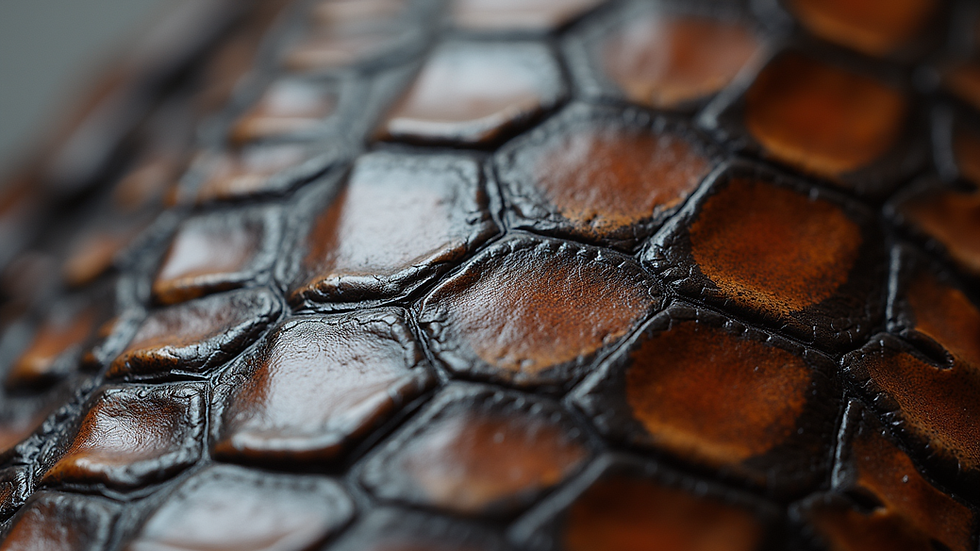
For example, ostrich leather with its characteristic quill bumps is often used in wallets and handbags. The texture adds a tactile element that customers appreciate. Python skins with their scale patterns are favored for shoes and belts.

What is the difference between exotic leather and leather?
Understanding the difference between exotic leather and standard leather is essential. Exotic leather comes from non-traditional animals. Common sources include:
Alligator and crocodile
Ostrich
Python and other snakes
Stingray
Standard leather usually comes from cows, pigs, or goats. Exotic leathers have unique textures and patterns due to the animal’s skin structure. They also tend to be more durable and expensive.
Exotic leather requires specialized tanning and finishing processes. These processes preserve the natural features and improve longevity. For example, stingray leather has a natural bead-like texture that is very tough and water-resistant.
The rarity and distinctiveness of exotic leather make it a premium material. It is often used in high-end fashion and accessories.

Practical Tips for Working with Exotic Leather
Working with exotic leather requires specific skills and tools. Here are some practical recommendations:
Use sharp, specialized cutting tools: Exotic leather can be tougher than standard leather. Dull blades cause uneven cuts.
Avoid excessive stretching: Exotic leather is less flexible. Stretching can damage the texture.
Choose appropriate adhesives and threads: Use products designed for exotic leather to ensure strong bonds and seams.
Test dyes and finishes: Exotic leather reacts differently to chemicals. Always test on a small piece first.
Store properly: Keep exotic leather away from direct sunlight and moisture to prevent damage.
These tips help maintain the quality and appearance of your products.
Popular Exotic Leather Products in the Market
Certain products dominate the exotic leather market due to their demand and suitability:
Handbags and wallets: Ostrich and alligator leathers are common choices.
Footwear: Python and stingray leathers are popular for boots and dress shoes.
Belts and watch straps: Exotic leather adds luxury and durability.
Jackets and outerwear: Designers use exotic leather panels for texture contrast.
Manufacturers focus on combining functionality with the exotic appeal. For example, a python leather belt with a matte finish fits both casual and formal styles.

Future Directions in Exotic Leather Trends
The future of exotic leather trends points to sustainability and innovation. Consumers and manufacturers are increasingly aware of ethical sourcing and environmental impact.
Sustainable sourcing: Traceability and responsible harvesting are becoming standard.
New tanning methods: Eco-friendly tanning reduces chemical use.
Technological integration: Smart textiles and exotic leather hybrids are emerging.
Customization: Personalized exotic leather products are gaining popularity.
Staying informed about these developments helps you adapt your designs and sourcing strategies.
For more inspiration and to explore a wide range of exotic leather options, visit Exotic Leathers By Ray.
This overview of exotic leather trends provides practical insights for crafting and design. By focusing on current styles, material differences, and future directions, you can enhance your product offerings and meet market demands effectively.



Comments